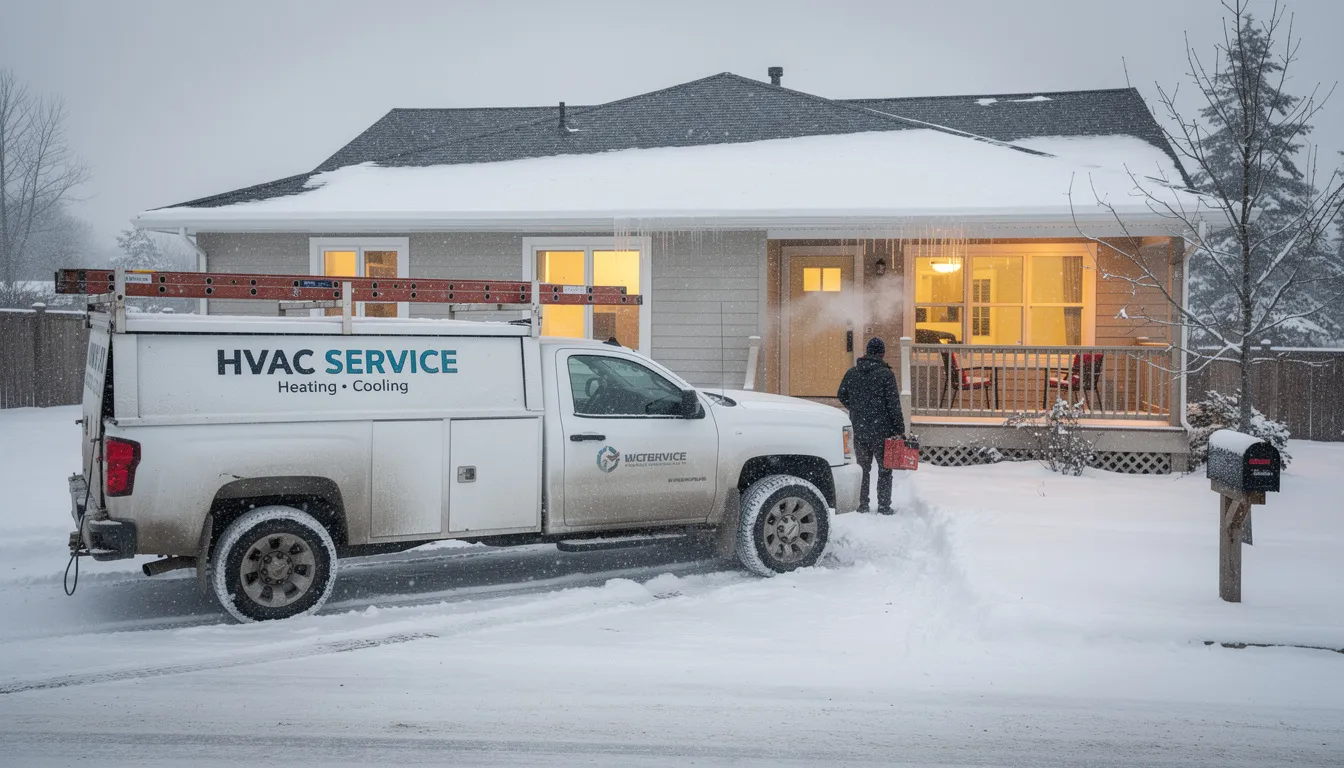
Furnace Tune Up in January: Why Michigan Homeowners Should Schedule Now
Introduction to Furnace Maintenance
Keeping your furnace in top shape isn’t just about staying warm—it’s about making your entire heating system work smarter, not harder. Regular furnace maintenance is the foundation for a well maintained furnace that runs smoothly all winter long. When you schedule a furnace tune up each year, you’re investing in lower heating bills, reduced energy consumption, and fewer surprises when the temperature drops.
A furnace that receives regular maintenance is less likely to break down unexpectedly and more likely to operate at peak efficiency. This means your home stays comfortable, your energy bills stay manageable, and your furnace lasts longer. Annual tune ups also help catch small issues before they become big, expensive problems. By making furnace maintenance a yearly habit, you’ll keep your heating system running efficiently and enjoy peace of mind all season.
Quick Answer: Should You Schedule a Furnace Tune-Up in January?
If you live in Southeast Michigan, January is the midpoint of winter with plenty of cold weather ahead. Your heating system has been running since October and still faces heavy use. A furnace tune up now helps catch small issues before the coldest weeks hit—the same time Metro Detroit and surrounding counties have experienced polar vortex conditions in recent years. Regular professional tune ups keep your heating system safe, efficient, and reliable while protecting your warranty.
Even if your furnace seems fine, a January tune up is worthwhile. Minor problems like a dirty flame sensor or weakening ignitor often cause no-heat calls during frigid temperatures. A professional inspection, cleaning, and safety check ensures your HVAC system runs smoothly when you need it most. While early fall is ideal for scheduling tune ups, a mid-winter check is still beneficial.
Think of January as a practical window to schedule service before the next cold snap. At Finzel’s Heating & Cooling, our licensed technicians understand Michigan winters and provide honest, reliable furnace tune ups that protect your home and budget. A comprehensive tune up involves multiple steps best handled by trained professionals.
Why January Is a Critical Time for Your Furnace
Michigan winters often stay cold through March, so your furnace still has work ahead. January is the moment to check your heating system before it faces its toughest test.
December’s holiday activity often means extra furnace run-time from guests and frequent door openings. This added stress can push worn components closer to failure. What was borderline in November can become a problem after weeks of heavy use.
Late January and February often bring the coldest days, and a breakdown then isn’t just inconvenient—it can be dangerous. Pipes may freeze, indoor air quality suffers, and emergency repairs come with high fees. If your furnace has recently undergone a major repair or had key components replaced, it’s important to schedule a follow-up inspection to ensure everything is functioning properly. Even a new furnace benefits from regular maintenance and tune ups to maintain optimal performance and extend its lifespan.
A January furnace tune up from Finzel’s Heating & Cooling lets a qualified technician spot and fix issues on your schedule, avoiding costly surprises. Catching problems like weak ignition or restricted airflow now is less expensive and stressful than emergency repairs in freezing weather.
What a Furnace Tune-Up Helps Prevent: Carbon Monoxide Leaks
This section focuses on what you’re really protecting against: safety risks, surprise repair bills, and discomfort.
A furnace tune up improves system efficiency, safety, and longevity. It helps prevent breakdowns and keeps your home comfortable all winter.
Dirty or Clogged Filters
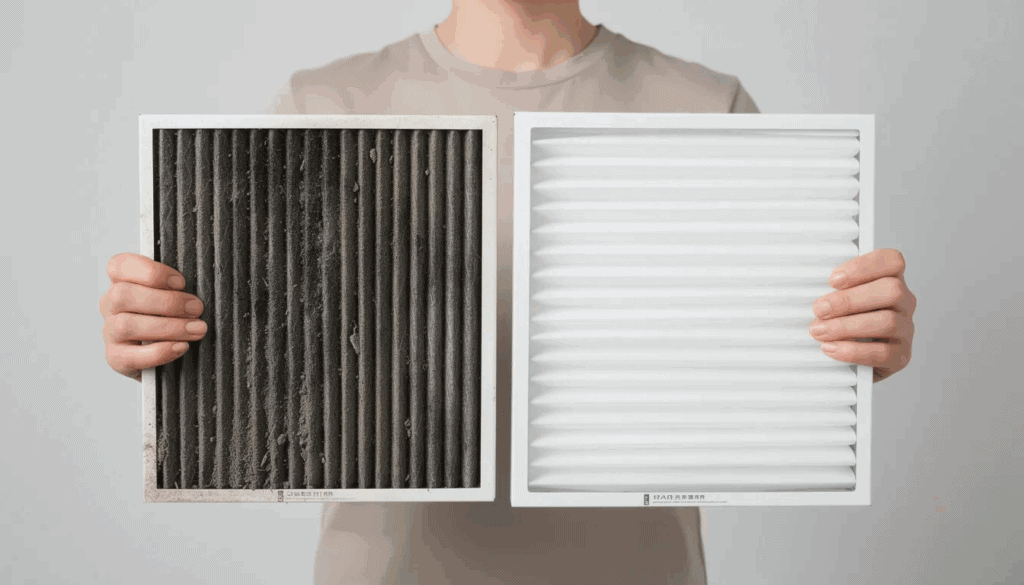
A dirty air filter restricts airflow, making your furnace work harder and rooms feel colder. It can cause overheating and repeated shutdowns, wearing out components faster. During a tune up, the technician checks and replaces the filter to maintain airflow and improve indoor air quality.
Airflow Issues Beyond the Filter
Dust on the blower motor and blocked vents reduce warm air circulation, causing uneven heating. The technician inspects your ductwork for leaks or blockages to ensure efficient airflow throughout your home.
Wear on Ignition and Safety Components
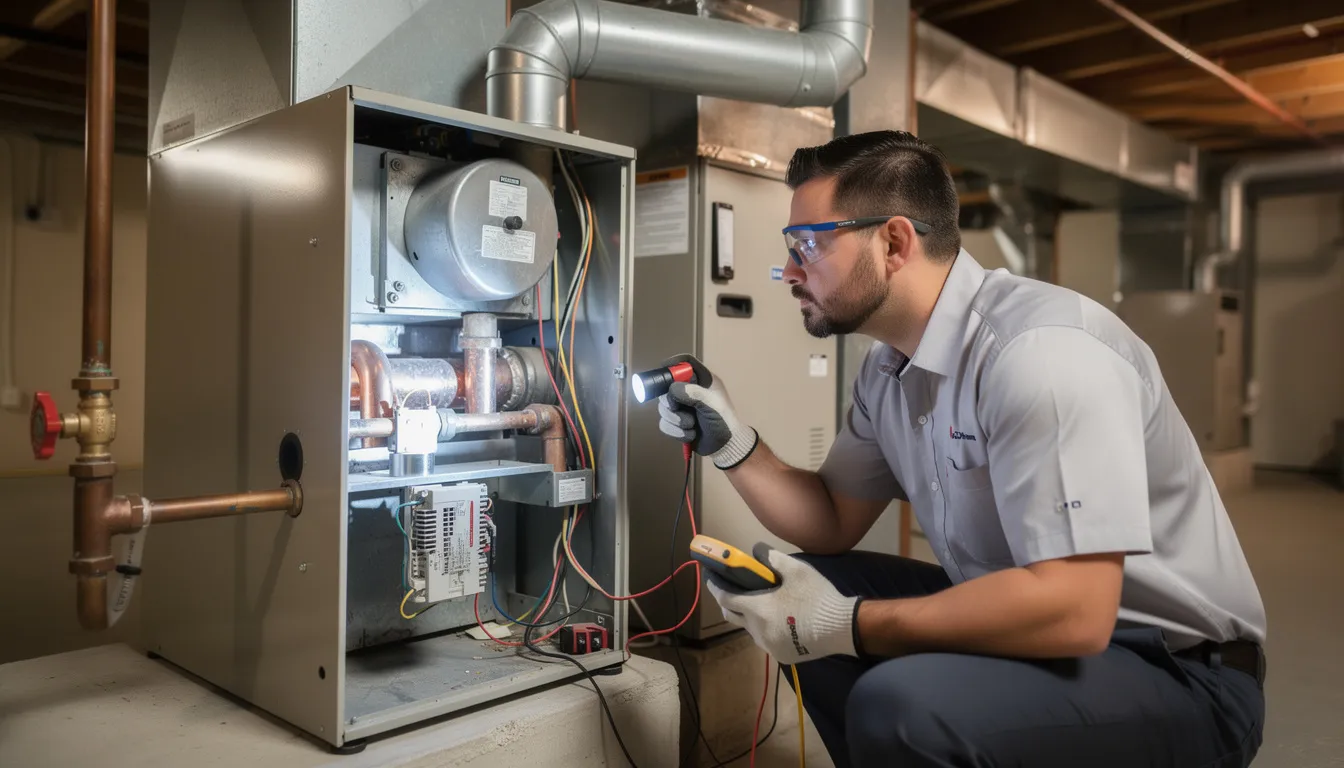
Ignitors, flame sensors, and safety controls wear out over time. The technician tests these parts and electrical connections to reduce the risk of no-heat calls and prevent rare but serious carbon monoxide leaks from a damaged heat exchanger. Safety controls and venting are checked to avoid hazardous conditions.
Dry Air and Humidity Imbalance
Michigan winters are dry. If you have a whole-house humidifier, its evaporative pad can become clogged, reducing moisture and causing static shocks and dry skin. The technician inspects and often replaces this pad, improving comfort. Moving parts like the blower motor and fan are lubricated to reduce wear.
A tune up includes cleaning key furnace components to remove dust and debris that affect performance. The technician tests the air-fuel mixture to ensure efficient, safe combustion and recalibrates the thermostat for accurate temperature control. The system is tested to verify effective heating and proper operation. Afterward, you receive a report with any recommended repairs. Regular furnace tune ups also improve indoor air quality by maintaining clean filters.
When these areas are addressed, you get steadier heat, fewer surprises, and a more comfortable home for the rest of winter.
Signs Your Furnace Needs Attention
Here are common warning signs Southeast Michigan homeowners notice before a breakdown. Any of these is a good reason to schedule a furnace tune up with Finzel’s Heating & Cooling.
- Short cycling: Furnace turns on and off frequently without completing a full heating cycle, signaling airflow or thermostat issues.
- Uneven heating: Some rooms are chilly while others are warm, or temperatures drop near windows and exterior walls.
- Dry air or static shocks: Excessive static or dry skin often means the humidifier pad needs replacement or humidity settings need adjustment.
- Unusual noises: New rattles, squeals, bangs, or rumbling indicate loose parts, worn blower motors, or ignition delays.
- Higher energy bills: Noticeably higher gas or electric bills despite unchanged habits suggest restricted airflow, dirty venting, or combustion problems.
Don’t wait for a breakdown. Scheduling a tune up at the first sign usually means a quicker, less expensive fix and fewer cold-weather emergencies.
Furnace Components: What Gets Checked and Why It Matters
A professional furnace tune up is more than a quick look under the hood—it’s a thorough inspection of all the key components that keep your heating system safe and efficient. During a tune up, a qualified HVAC technician will carefully examine the heat exchanger for cracks or damage, which is crucial for preventing dangerous carbon monoxide leaks. The blower motor is checked to ensure it’s moving air properly, while electrical connections are tightened and tested for safe operation.
The technician will also inspect the venting system to make sure harmful gases are being safely expelled from your home, and check for any signs of gas leaks. Proper airflow is verified by examining the air filter and ductwork, helping to maintain good indoor air quality and prevent unexpected breakdowns. By addressing these critical areas, a furnace tune up helps reduce energy consumption, keeps your air quality high, and ensures your furnace is ready for whatever Michigan’s winter brings.
Essential Maintenance Tasks Performed During a Tune-Up
When you schedule a furnace tune up, you’re getting more than just a quick check—you’re getting a comprehensive set of essential maintenance tasks designed to keep your system running at its best. The technician will start by cleaning the furnace and replacing the air filter to ensure proper airflow and protect sensitive components. The ignition system is inspected for reliable starts, and a combustion analysis is performed to verify safe and efficient fuel use.
Thermostat settings are checked and calibrated for accurate temperature control, while the blower motor and venting system are examined for proper operation. The technician will also look for signs of wear and tear, such as rust or corrosion, and recommend repairs if needed. These steps not only improve energy efficiency and lower heating bills, but also help extend the lifespan of your furnace by catching issues early and keeping everything running smoothly.
DIY Furnace Maintenance: What Homeowners Can Safely Do
While a professional tune up is essential, there are several DIY furnace maintenance tips homeowners can follow to keep their system in good shape between visits. Start by changing the air filter regularly—this simple step helps maintain proper airflow and protects your furnace from dust and debris. Check your thermostat settings to make sure your heating system isn’t working harder than it needs to, and keep the area around your furnace clear for optimal air movement.
You can also visually inspect your furnace for signs of wear and tear, such as rust, corrosion, or unusual noises. Light cleaning around the unit and vents can help prevent blockages. However, tasks like checking for gas leaks, performing a combustion analysis, or making electrical repairs should always be left to a qualified HVAC technician. By handling these basic maintenance steps, you’ll help prevent unexpected breakdowns and keep your furnace running efficiently all season.
Furnace Filter Maintenance: The Overlooked Key to Performance
Keeping your furnace filter clean is one of the simplest ways to maintain peak efficiency. The filter traps dust and protects key parts like the heat exchanger and blower motor.
A clogged filter forces your system to work harder, increasing energy bills and reducing heating efficiency. Over time, this strain can cause unexpected breakdowns and costly repairs. In fact, a dirty furnace can lose up to 5% efficiency each year, but professional cleaning can reduce energy costs by up to 30%. This results in significant cost savings and lower utility bills for homeowners.
Neglecting the filter also risks overheating the heat exchanger, potentially leading to cracks and carbon monoxide leaks. Dirty filters allow allergens and particles to circulate, lowering indoor air quality and making heating less effective.
How Regular Furnace Maintenance Saves Money
For Southeast Michigan homeowners, regular tune ups and annual furnace tune up services translate into real cost savings by improving energy efficiency, reducing emergency service calls, and keeping your furnace running smoothly all season long. The key benefits of annual maintenance include lower utility bills, fewer major repairs, and a longer-lasting system.
Improved Energy Efficiency
A clean, well-adjusted furnace uses less gas and electricity. Dirty burners, clogged filters, and incorrect gas pressure lower combustion efficiency, making your system run longer and harder. Regular maintenance and annual tune up visits keep energy bills and utility bills lower throughout winter, resulting in measurable cost savings.
Fewer Emergency Calls
Catching problems like a weak ignitor during a scheduled service call avoids costly after-hours repairs. Emergency calls during cold snaps are expensive and stressful. Regular tune ups help prevent major repair needs by addressing issues early.
Extended Lifespan
Most furnaces last 15–20 years. Regular maintenance, including an annual tune up, reduces strain on components and can extend a furnace’s life to 20–25 years. Neglected units may only last 10–12 years. Skipping annual maintenance accelerates wear, leading to early repairs or replacement. Units over 10 years old may need furnace service every six months due to increased wear.
Peace of Mind
Knowing a professional has inspected your furnace’s safety and efficiency helps you relax during cold weather. Regular maintenance also protects warranties, which often require documented annual service. Be sure to keep records of all tune-up services, as they may be needed for warranty claims.
A typical furnace tune-up costs between $70 and $200. More comprehensive or annual plans range from $150 to $500. Some HVAC contractors offer annual service plans that bundle multiple tune-ups and priority service for a flat yearly fee. Heat pumps also benefit from twice-yearly tune-ups for year-round performance.

How Furnace Tune-Ups Improve Your Home’s Air Quality
With windows closed and furnaces running nonstop, indoor air quality matters more than ever. A well-maintained furnace cleans the air you breathe while delivering warmth.
Professional tune ups include cleaning and inspecting the heat exchanger, blower motor, and air filter. Dust, pet dander, and debris that accumulate inside your system can circulate through your home, affecting air quality. Removing these contaminants helps maintain proper airflow and cleaner air.
Preventing carbon monoxide leaks is a top priority. A cracked heat exchanger or faulty venting can let this dangerous gas enter your living space. During a tune up, a qualified technician inspects the heat exchanger, tests for carbon monoxide, and checks gas lines and electrical connections, protecting your family’s health and preventing costly repairs.
Technicians also clean or replace the furnace filter, your first defense against airborne allergens. They check the condensate drain, listen for unusual noises, and perform combustion analysis and thermostat calibration to ensure safe, efficient operation.
While some DIY maintenance like changing filters and keeping vents clear helps, only a qualified technician can fully inspect safety controls and test for carbon monoxide.
Scheduling regular furnace tune ups is one of the smartest ways to improve air quality, lower energy bills, and keep your heating system running smoothly all winter.
How Tune-Ups Extend the Life of Your Furnace
Scheduling regular furnace tune ups is one of the smartest ways to protect your investment and enjoy a safer, more comfortable home. By having a professional inspect and maintain key components like the heat exchanger and blower motor, you reduce the risk of costly repairs and unexpected breakdowns. Regular maintenance also helps prevent carbon monoxide leaks, improves indoor air quality, and keeps your furnace running efficiently—leading to lower energy bills year after year.
A well maintained furnace is less likely to suffer from major issues that can shorten its lifespan or require expensive fixes. Annual tune ups catch small problems before they escalate, ensuring your heating system stays reliable and safe. With each tune up, you’re not just maintaining your furnace—you’re extending its life, improving air quality, and keeping your home comfortable through every Michigan winter.
January New Year Furnace Tune-Up Special
Start the new year with a safer, more reliable heating system. Finzel’s Heating & Cooling offers a January promotion for Southeast Michigan homeowners.
The Offer:
| What’s Included | Details |
|---|---|
| Trane gas furnaces tune-up | $89 (January only) |
| Free add-on | Standard furnace filter or humidifier pad replacement |
| Repair discount | 10% off any recommended service repairs at the same visit (excludes diagnostic fee) |
| Availability | Limited-time January offer |
The free filter or humidifier pad helps restore proper operation and heating efficiency. Choosing the humidifier pad also improves air quality and comfort.
If our technician finds any issues during the tune up, you’ll get a clear explanation and a 10% discount on recommended repairs. We only suggest necessary work—no pressure, no upselling.
This limited-time offer fills quickly during cold spells, so schedule early. Most visits take about an hour, and you can pick a convenient day and time.
Schedule Your Furnace Tune-Up and Stay Ahead of Winter
Winter isn’t over in Michigan. A January furnace tune up protects your comfort, keeps your furnace efficient, and helps avoid mid-season breakdowns.
Homeowners across Southeast Michigan—from Detroit suburbs to Ann Arbor—can call or schedule online with Finzel’s Heating & Cooling. Take advantage of the $89 January tune-up with a free filter or humidifier pad before the offer ends.
Our local HVAC team is licensed, experienced with Michigan winters, and focused on honest, straightforward recommendations. We’re here to keep your furnace running efficiently and get you through the rest of the heating season without surprises.
Stay warm, avoid costly repairs, and head into February with a professionally checked furnace. Schedule a tune up today with Finzel’s Heating & Cooling.